
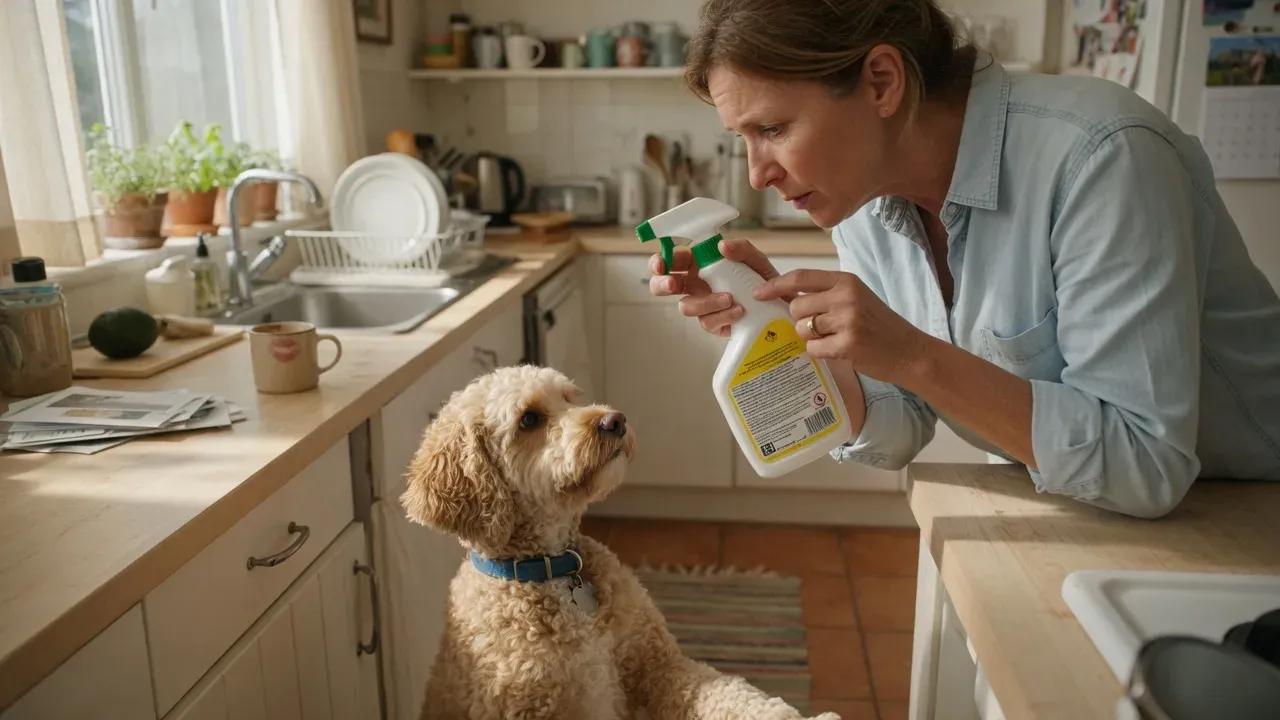
Walk down any cleaning aisle and you'll see it everywhere: "natural," "eco-friendly," "non-toxic," "pet-safe." It's reassuring — and almost none of it is regulated. There's no legal standard a company has to meet before printing "pet-safe" on the front of a bottle, which means the phrase, by itself, tells you very little about whether it's actually safe for your dog or cat.
The good news: once you know where to look, the truth is easy to find. It's not in the marketing on the front — it's in the certification logos and the ingredient list. Here's how to decode a label in under a minute, the buzzwords that mean nothing, and the ingredients to put straight back on the shelf.
The Buzzwords That Mean Nothing
"Natural" / "plant-based"
No legal definition, and not a guarantee of safety. Many plant-based cleaners are heavily processed, and some natural ingredients — like certain essential oils — are toxic to pets.
"Non-toxic" / "pet-safe"
Unregulated marketing claims a brand can print without meeting any standard. They may be true; the words alone aren't proof. Look for verification.
"Chemical-free"
A red flag — it's literally impossible (water is a chemical). Legitimate brands use precise language like 'free from ammonia' or 'no added fragrance' instead.
The rule of thumb: if a safety claim is on the front of the bottle in big friendly letters but isn't backed by a third-party logo or a clear ingredient list, treat it as advertising — not information.
What to Actually Look For
Three things separate a genuinely safe product from a well-marketed one:
A real third-party certification
EPA Safer Choice is the gold standard — the EPA screens every ingredient, even fragrances and dyes, for cancer risk, reproductive harm, and environmental toxicity, with extra criteria for pet-care products. Green Seal, Ecocert, and EcoLogo are also credible.
Full ingredient disclosure
A safe product tells you what's inside. Ecocert-style certifications even require it. If a company hides its formula, that's a signal in itself.
'Fragrance-free,' not just 'fresh scent'
The single word 'fragrance' can hide dozens of undisclosed chemicals, including phthalates. For a pet — especially one prone to asthma — fragrance-free is far safer than 'natural scent.'
Low-VOC, low-odor, biodegradable
These point to formulas designed to be gentle on airways and surfaces — exactly what you want around an animal that breathes low to the ground and grooms constantly.
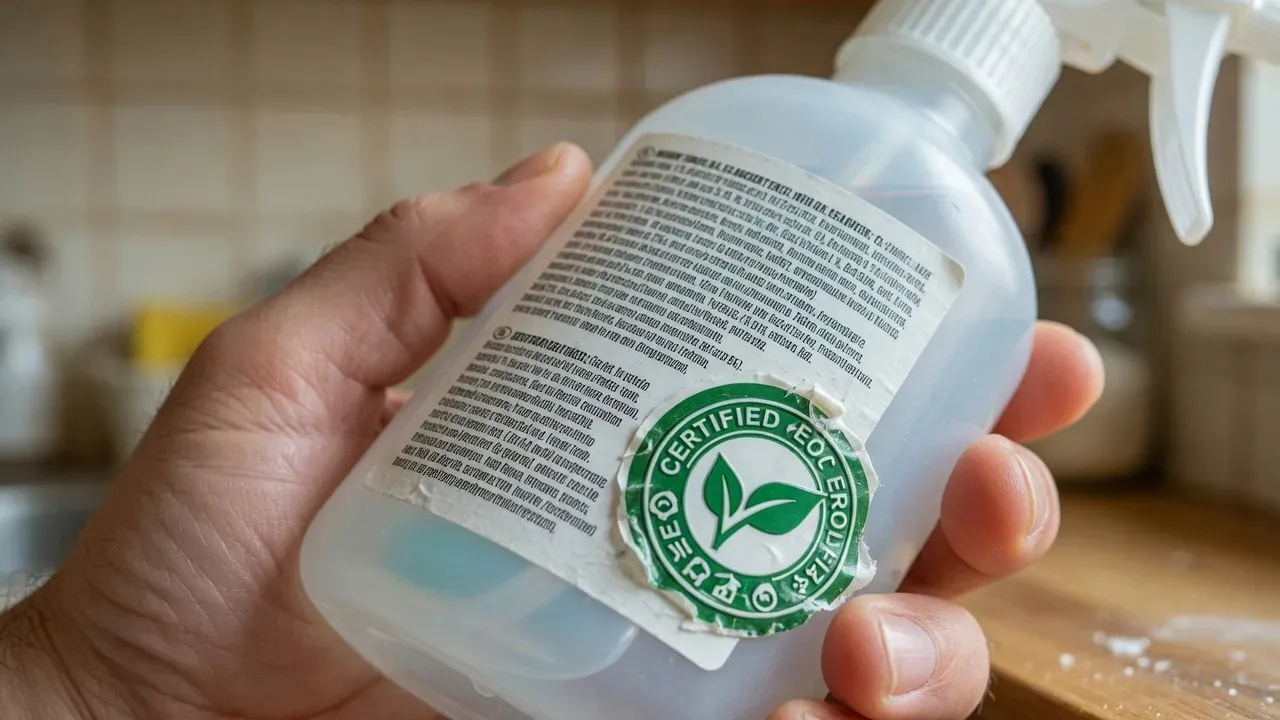
The front of the bottle is marketing. The ingredient list and third-party logos are where the truth is.
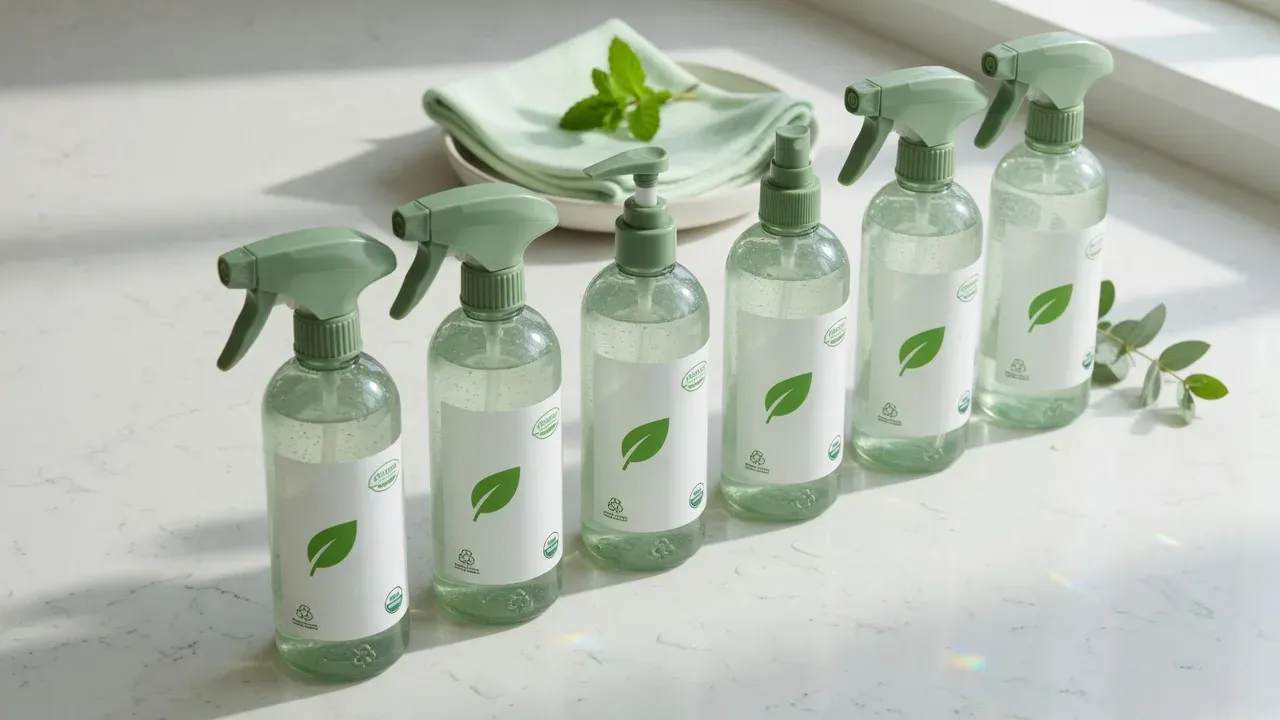
A real third-party logo — EPA Safer Choice, Green Seal, Ecocert — means an outside body verified the ingredients.
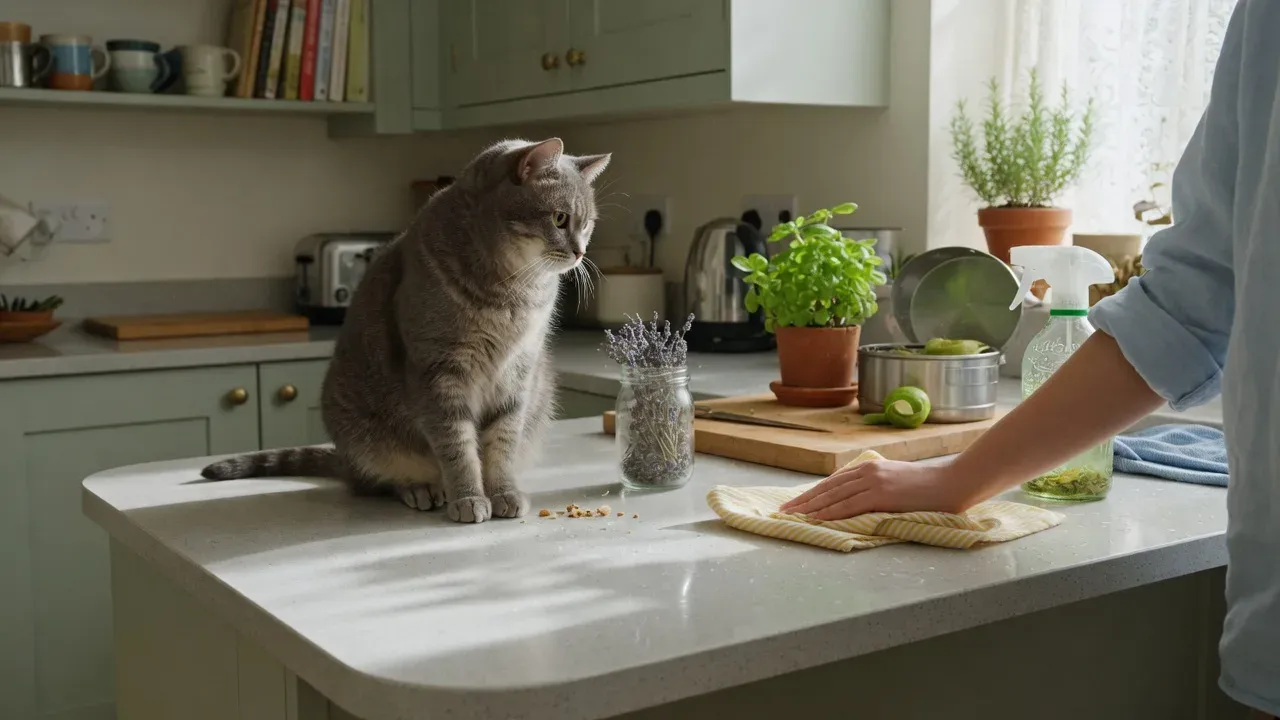
The family member closest to every cleaned surface is the one who can't read the label — so it's on you.
How to Read a Label in Under a Minute
Skip the front; read the proof
Look for a real third-party certification first
The fastest way to cut through marketing is to look for an independent certification logo, not a brand's own claim. EPA Safer Choice is the strongest for cleaning products — the EPA reviews every ingredient (even dyes and fragrances) for cancer risk, reproductive and developmental harm, and aquatic toxicity, with strengthened criteria for pet-care products. Green Seal, Ecocert, and EcoLogo are also legitimate. A real logo means an outside body verified the claims; a brand simply printing 'safe' on the front did not.
Ignore the unregulated buzzwords
Words like 'natural,' 'eco-safe,' 'green,' 'non-toxic,' and especially 'chemical-free' have no legal definition and are the classic signs of greenwashing — 'chemical-free' is literally impossible, since water is a chemical. 'Plant-based' and 'natural' don't mean harmless either: many plant-based cleaners are heavily processed, and some natural ingredients (like certain essential oils) are actually toxic to pets. Treat front-of-bottle adjectives as marketing until the ingredient list and a certification back them up.
Demand full ingredient disclosure — and beware 'fragrance'
A genuinely safe product lists its ingredients. Be wary of the single word 'fragrance' or 'parfum,' which can legally hide dozens of undisclosed chemicals, including phthalates linked to allergies and hormone disruption. Look for 'fragrance-free' or 'no added fragrance,' and for precise language ('no added dyes,' 'free from ammonia') rather than vague blanket promises. If a company won't tell you what's inside, that's your answer.
Avoid the ingredients that are dangerous to pets
Whatever the label says, scan for the known offenders and put the bottle back: ammonia, chlorine bleach, formaldehyde, phthalates, and phenols (common in 'pine' and medicinal disinfectants and especially toxic to cats). Strong essential oils — tea tree, camphor, pine, citrus — can also harm pets, so 'natural fragrance' isn't automatically safer. Choose low-VOC, low-odor, biodegradable, fragrance-free formulas, since your pet lies on the floor and licks their paws.
Capital Clean Care
Skip the label-reading entirely
Capital Clean Care cleans only with genuinely pet-safe, fragrance-free, plant-based products — EPA Safer Choice–type, no ammonia, bleach, or hidden fragrance. Across Bethesda, Rockville, Silver Spring, and Gaithersburg. Background-checked, eco-certified teams.
The Ingredients to Avoid in a Pet Home
- Ammonia and chlorine bleach — caustic, and dangerous to breathe or ingest
- Phenols — common in 'pine' and medicinal disinfectants, and especially toxic to cats
- Formaldehyde and formaldehyde-releasing preservatives
- Phthalates — usually hidden behind the word 'fragrance'; endocrine disruptors linked to allergies
- Strong essential oils (tea tree, camphor, pine, citrus) — 'natural' but genuinely toxic to many pets
Why we don't ask you to take our word for it
"Pet-safe" only matters if it's real. Our eco-friendly cleaning uses only plant-based, fragrance-free, low-residue products that clear the same bar we describe here. Related reading: cleaning-product poisoning in pets and building an allergen-free home.
Frequently Asked Questions
Genuinely Pet-Safe — Not Just Labeled That Way
Capital Clean Care provides eco-friendly cleaning and deep cleaning for pet families across Maryland — Bethesda, Rockville, Silver Spring, Gaithersburg, and Potomac. Plant-based, fragrance-free, background-checked.
Licensed, insured, and locally owned. Montgomery County, MD.