
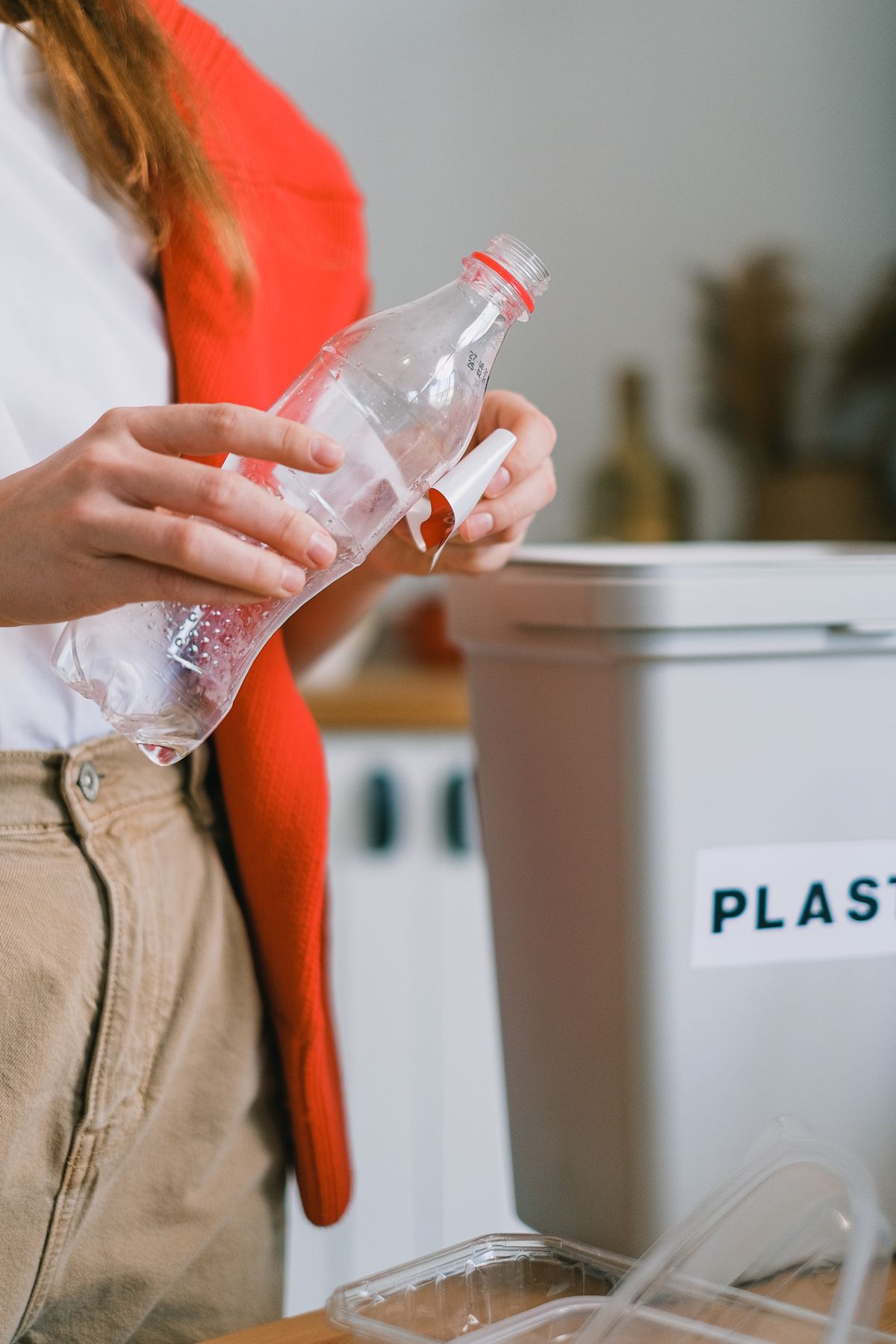
You've got a mason jar collection from last season's jam, a new laptop covered in a previous owner's stickers, and a stack of Amazon boxes with shipping labels that don't budge. Or you're doing a move-in clean in Silver Spring and the previous tenant left a galaxy of kids' decals on every bedroom door. Whatever brought you here, the answer is the same: you don't need a VOC-heavy solvent sitting in the cabinet under the sink.
Five natural methods below cover every surface and adhesive type found in a home. The right method depends on what you're cleaning — oil for most jobs, heat for delicate surfaces, vinegar for glass, alcohol only as a last resort. Takoma Park and Bethesda households reusing glass jars for zero-waste storage will find Method 1 handles 90% of label residue in under 10 minutes. For more eco-friendly cleaning tips for Maryland homes, see our full guide.
Why Sticker Residue Is Hard to Remove
Most modern label adhesives are acrylic-based — a plastic polymer designed to form a molecular bond with any surface it contacts. When you peel the sticker, the paper or film separates from the adhesive layer, which stays behind, bonded to the surface. Water alone can't break that bond because acrylic adhesive is non-polar and water is polar — they repel each other.
Acrylic adhesives (most stickers)
Non-polar, water-resistant. Dissolve in non-polar solvents — oils, petroleum products, alcohol. Heat softens and re-liquefies them.
Rubber-based adhesives (older labels)
More brittle when cold, soft when warm. Respond better to heat than to oil. Common in older price tags and postal labels.
Heat changes everything
Both adhesive types soften significantly above 100°F — which is why a hair dryer is the single most universally useful tool for sticker removal regardless of surface.
Time makes it worse
Adhesive oxidizes and hardens as it ages. A sticker removed the same day it's applied peels cleanly. One left for a year requires active solvent treatment.
Method 1 — Oil
Best for: glass, ceramic, most plastics, metal
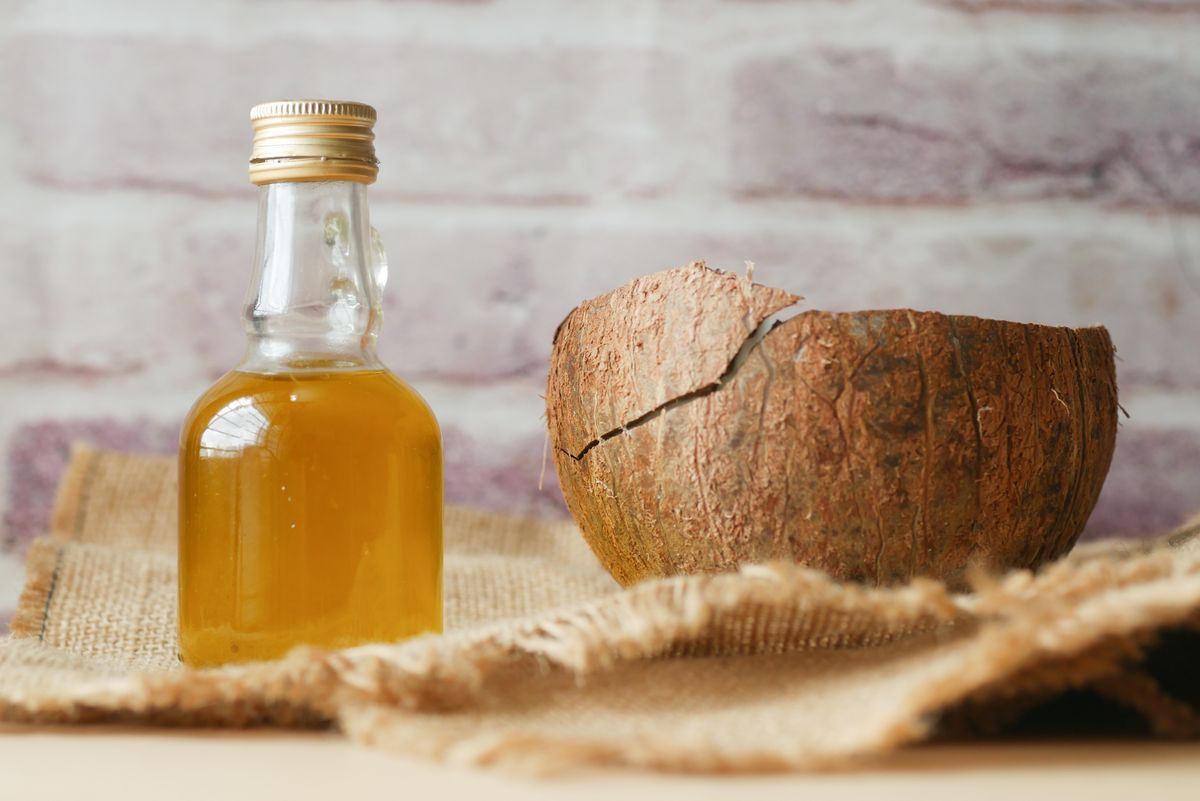
The most versatile method. Any cooking oil works — olive, coconut, vegetable, canola. The fat molecules are non-polar and dissolve acrylic adhesive on contact without any surface damage risk. This is also the method recommended by glass jar zero-waste communities in Takoma Park and Bethesda for reusing commercial jars.
Apply oil directly to the residue and let it soak
Pour or rub a small amount of cooking oil — olive, coconut, vegetable, or even peanut butter — directly onto the sticker residue. The fat molecules in the oil are non-polar and dissolve the non-polar acrylic or rubber adhesive, breaking its bond with the surface. Cover the entire residue area and let it sit for 5–10 minutes. For thick, old residue that has dried and hardened, leave the oil for 20–30 minutes and cover with plastic wrap to prevent evaporation.
Rub with a cloth or your fingers in circular motions
After soaking, rub the softened residue with a cloth, paper towel, or your fingers using circular motions. The adhesive should ball up and lift off the surface. For stubborn spots, use the rough side of a sponge on glass or ceramic — not on plastic or painted surfaces, which scratch easily. If residue remains, apply a second coat of oil, wait another 5 minutes, and repeat.
Wash with dish soap and warm water
Once the adhesive is removed, wash the surface with a few drops of dish soap and warm water to cut through the oil film. This step is important — oil left on a surface attracts dust and can leave a greasy residue. For glass jars or containers, a full wash in hot soapy water finishes the job cleanly. The surface should be completely residue- and oil-free.
Method 2 — White Vinegar
Best for: glass, ceramic tile, stainless steel
White vinegar's acetic acid dissolves the water-soluble binder components of label adhesive — particularly effective on paper-backed labels (like product price tags and jar labels) where the adhesive has a more water-accessible surface layer.
Soak a cloth or paper towel in undiluted white vinegar
Press a vinegar-saturated cloth flat against the residue. For a jar or container, you can submerge the entire item in a bowl of white vinegar if the residue is at the base. Let the vinegar make contact with the adhesive for 5–10 minutes — acetic acid needs contact time to work its way under the adhesive layer.
Rub and peel the softened residue
After soaking, the adhesive should have softened enough to rub off with the cloth in circular motions or to peel off in strips with your fingernail. A plastic scraper or an old credit card edge helps lift larger patches without scratching glass. Repeat the vinegar application if stubborn spots remain.
Rinse with warm water
Rinse the surface with warm water to remove vinegar and dissolved adhesive residue. For glass jars, a full wash in hot soapy water leaves a streak-free finish. The surface should be completely clean with no sticky or acidic residue remaining.
Capital Clean Care
Move-in sticker and adhesive cleanup across a whole home? We've got it.
Capital Clean Care serves Silver Spring, Bethesda, Rockville, and Gaithersburg. Eco-certified teams, background-checked, no VOC solvents.
Method 3 — Heat (Hair Dryer)
Best for: painted surfaces, delicate plastics, wood, car surfaces
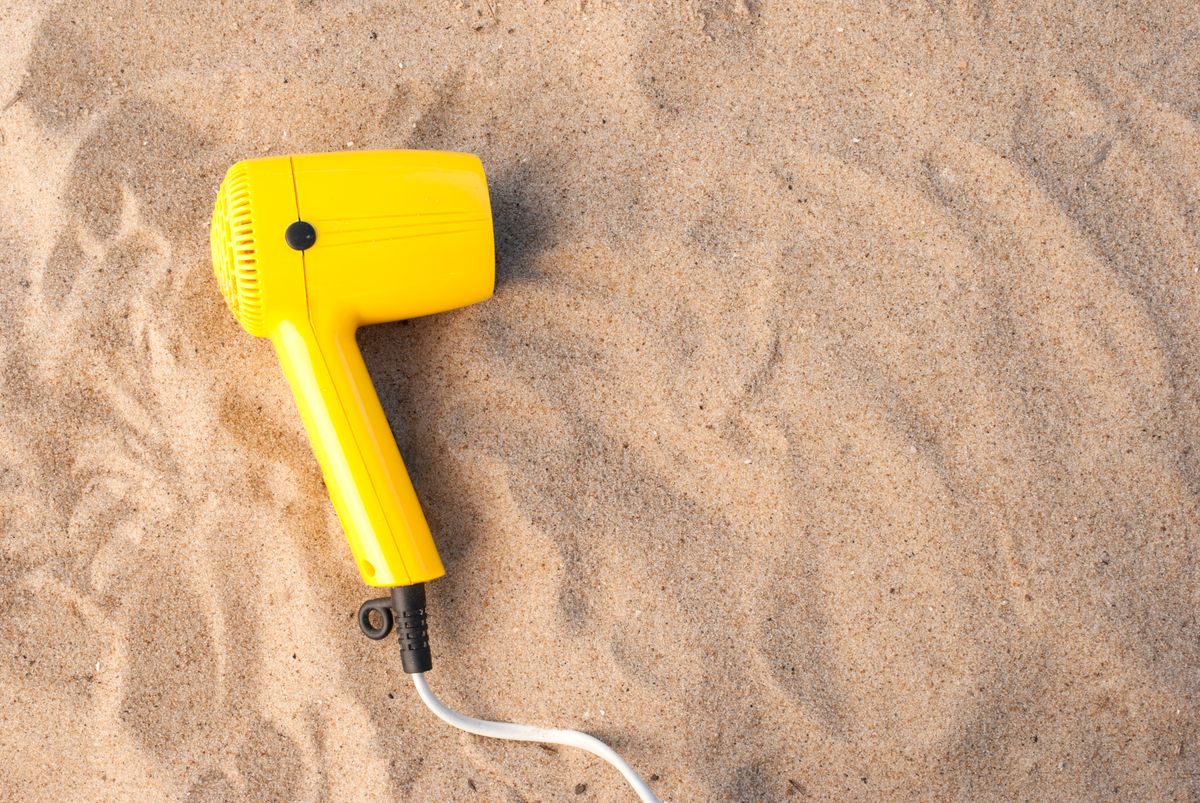
Heat is the only method that requires no liquid contact with the surface — making it the safest option for painted walls, finished wood furniture, and delicate plastics that could be damaged by solvents or moisture.
Apply low heat for 15–30 seconds
Set a hair dryer to low or medium heat. Hold it 2–3 inches from the sticker or residue and move slowly back and forth for 15–30 seconds. The goal is to warm the adhesive to around 100–130°F — hot enough to soften but not so hot that it damages the surface underneath. For painted walls or wood, stay on the low setting. For glass or metal, medium heat is fine.
Peel or rub immediately while still warm
Work quickly — the adhesive re-hardens as it cools. Peel the sticker or rub the residue with a cloth, plastic scraper, or your finger while the adhesive is still soft and pliable. For stickers still on the surface, start peeling from one corner using a fingernail or plastic card to keep the angle low (30°) to avoid tearing the sticker and leaving more residue.
Wipe with a damp cloth and let dry
After removing the residue, wipe the area with a slightly damp cloth to remove any remaining adhesive traces. For painted surfaces, dry immediately with a clean cloth — do not let moisture sit on latex paint. The heat method leaves no chemical residue and requires the lightest cleanup of all five methods.
Method 4 — Baking Soda + Oil Paste
Best for: stubborn multi-layer residue on hard surfaces
When a sticker has left multiple overlapping layers of adhesive — common with industrial packaging, price sticker layering, or old kids' decals that have been repeatedly stuck and re-stuck — the oil alone doesn't provide enough mechanical action. The baking soda paste adds gentle abrasion without scratching.
Mix equal parts baking soda and cooking oil into a paste
Combine 1 tablespoon of baking soda with 1 tablespoon of cooking oil (coconut oil works particularly well here because it solidifies slightly, making the paste thicker and easier to apply). Mix until uniform. The oil dissolves the adhesive while the baking soda provides fine mechanical abrasion to physically lift the softened residue.
Apply and rub in circular motions with a cloth
Apply the paste directly to the residue and rub in circular motions with a cloth or sponge. The baking soda grit will work the oil into and under the adhesive layer while simultaneously abrading it off the surface. Do not use on soft plastics or lacquered surfaces — test in a hidden spot first. On glass, ceramic, and stainless steel, this paste is completely safe.
Rinse and wash with dish soap
Rinse with warm water and wash with dish soap to remove all oil and baking soda residue. The surface should be completely clean in one wash. If any adhesive remains after the paste treatment, apply a pure oil coat for another 5 minutes — the combination has typically dissolved the remainder.
Method 5 — Rubbing Alcohol
Best for: metal, glass, hard plastic — last resort, test first
Test first on every surface. Rubbing alcohol (isopropyl alcohol) strips lacquer, varnish, painted finishes, and some plastic coatings. It's the most powerful of the five methods and the most likely to cause surface damage if used without testing. Always apply to a hidden area first and wait 30 seconds before treating the visible area.
Apply 70% isopropyl alcohol to a cotton ball and blot
Dampen a cotton ball or folded paper towel with 70% isopropyl alcohol. Press it against the residue for 10–15 seconds, then blot — do not rub immediately. The alcohol dissolves acrylic and rubber adhesive very quickly on contact. For stubborn industrial adhesive that resisted the oil method, alcohol will typically remove it in one application.
Wipe clean and rinse with water
After blotting, wipe the area with a clean cloth to remove the dissolved adhesive. Follow immediately with a clean damp cloth to remove alcohol residue — allowing alcohol to sit on a surface longer than needed increases the risk of finish damage. The surface should be residue-free in one treatment. For metal or glass, dry immediately with a microfiber cloth to prevent water spots.
The Natural Sticker Removal Toolkit
Five methods, four pantry ingredients. This is the eco-safe approach to adhesive removal across Maryland homes — no VOC solvents, no petroleum products, safe for kids and pets.
Any cooking oil works — olive, coconut, or vegetable. The fat molecules dissolve acrylic adhesive on contact.
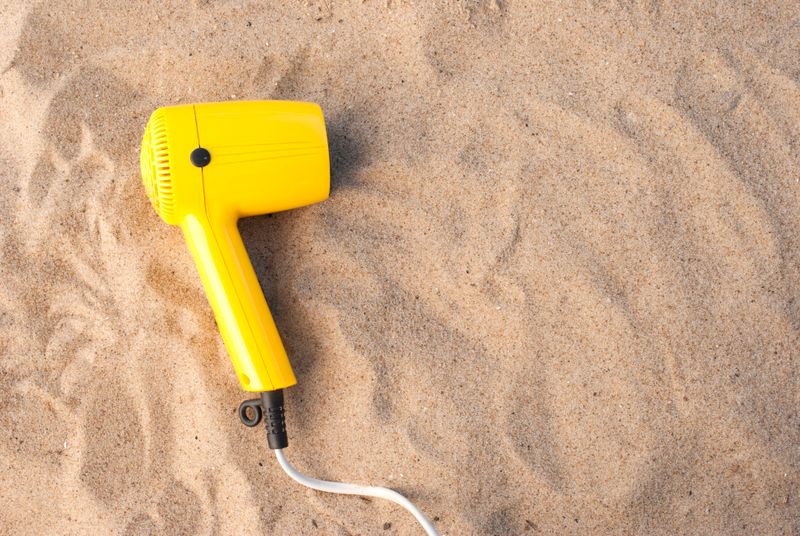
15–30 seconds of low heat softens the adhesive enough to peel cleanly — the go-to method for delicate surfaces.
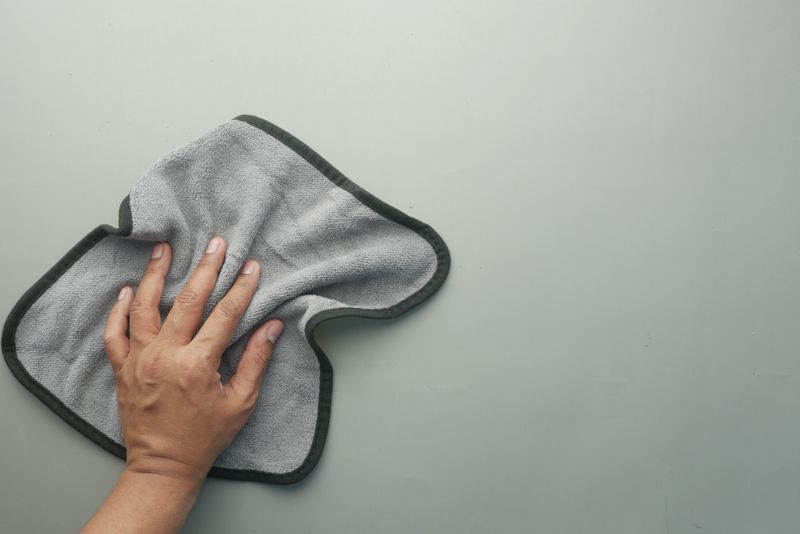
White vinegar dissolves the water-soluble components of label glue — ideal for glass, ceramic, and metal.
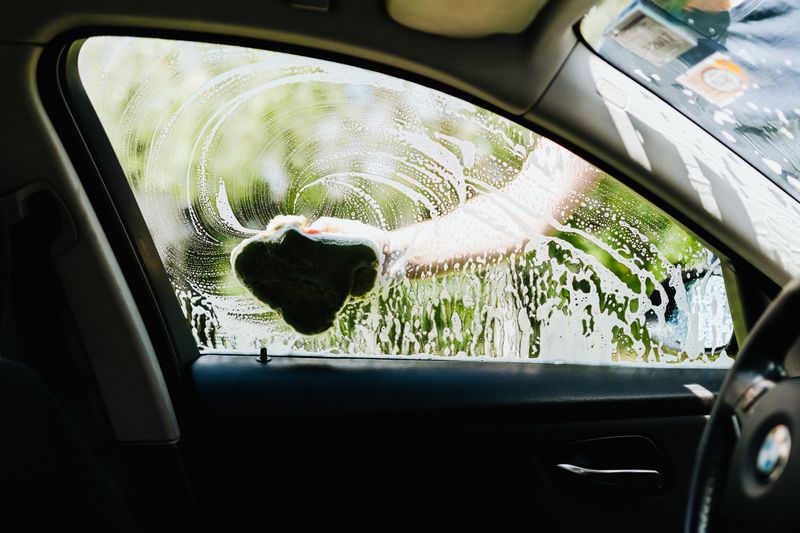
The result of the oil soak method: residue-free glass ready for zero-waste reuse.
Surface-by-Surface Quick Reference
Glass (jars, windows)
Oil → Vinegar → Alcohol
All 5 methods safe. Oil first for jar labels.
Hard plastic (containers, toys)
Oil → Warm water soak
Avoid alcohol on soft or colored plastic — may discolor.
Stainless steel / chrome
Vinegar → Oil → Alcohol
Dry immediately to prevent water spots.
Sealed wood furniture
Oil → Heat (low)
No alcohol — strips lacquer and varnish.
Raw / unsealed wood
Heat only
No liquids — raises grain and can cause warping.
Painted walls (latex)
Heat only → Oil (test)
No alcohol or vinegar — damages matte/flat paint.
Fabric / clothing
Rubbing alcohol (blot)
Blot from outside in; cold water rinse only.
Car paint / clear coat
Heat → Automotive adhesive remover
No rubbing alcohol — strips wax and can dull clear coat.
When DIY Won't Cut It
Move-in and move-out situations in Bethesda and Silver Spring commonly involve sticker and adhesive cleanup at a scale beyond a single afternoon's work — kids' decals on multiple doors, floor cable management tape residue, wall-mounted frame strips, and commercial packaging adhesive on counters. Capital Clean Care's move-in/move-out cleaning service covers adhesive and residue removal as part of a systematic whole-home clean using eco-safe protocols throughout.
Frequently Asked Questions
More Than a Sticker? Let Us Handle the Full Clean.
Capital Clean Care provides move-in/move-out cleaning and eco-friendly cleaning across Maryland — Silver Spring, Bethesda, Rockville, Gaithersburg, and Potomac. No VOC solvents, background-checked teams, free estimates.
Licensed, insured, and locally owned. Montgomery County, MD.