
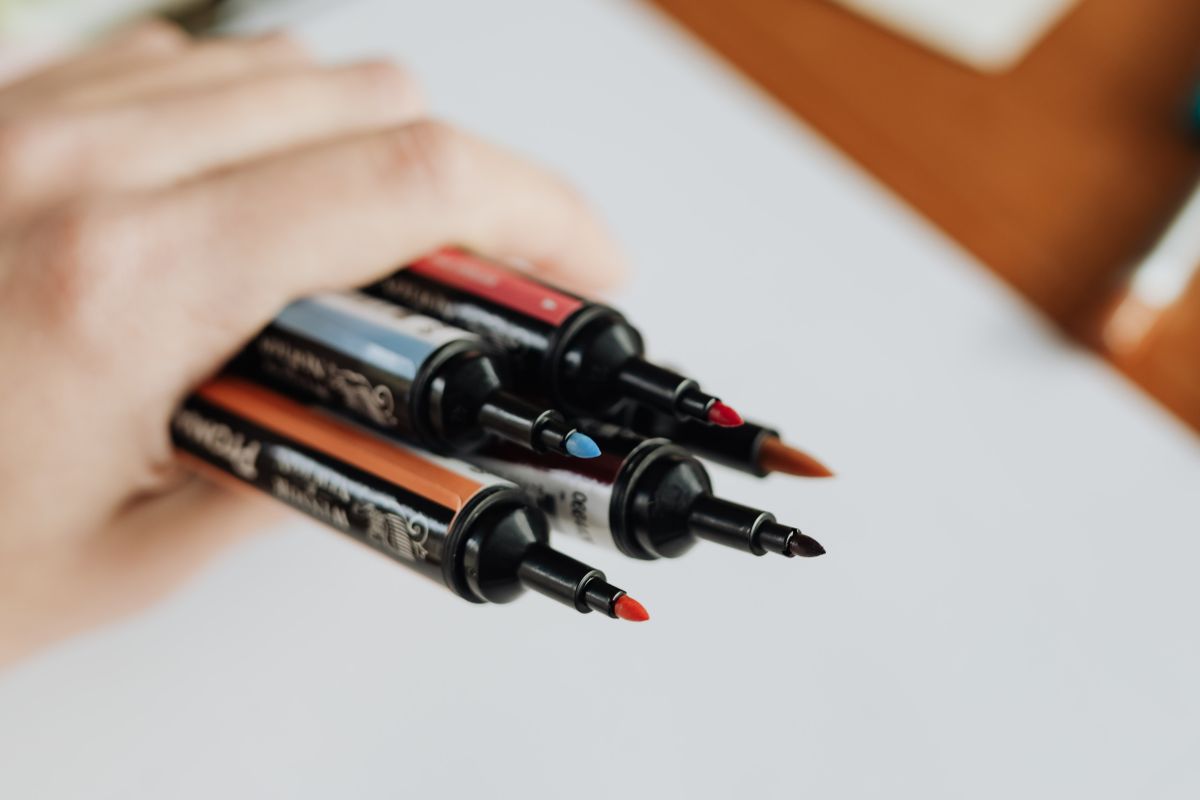
It's a Tuesday afternoon in Rockville. You walk into the playroom and find a Sharpie mural across three feet of freshly painted wall. Your five-year-old is very proud. You are not. The instinct is to grab the strongest cleaner in the cabinet — but that's usually how a small marker stain becomes a large patch of stripped paint.
Permanent marker is designed to bond to surfaces, but it's not indestructible. The right solvent, the right technique, and the right surface knowledge gets it off cleanly in most cases — without bleach, without damage, and without exposing kids or pets to harsh chemicals. This guide covers every surface in the home, from painted drywall to hardwood, fabric to skin. For more eco-friendly cleaning tips for Maryland homes, see our full guide.
What Surfaces Will Sharpie Come Out Of?
Before you start, a quick reality check. Permanent marker comes out of most sealed surfaces but is very difficult or impossible to remove from porous, unsealed ones where the ink has soaked into the material itself.
Painted walls (semi-gloss / satin)
Rubbing alcohol or melamine eraser
Painted walls (flat / matte)
Melamine eraser only — alcohol risks sheen damage
Unpainted drywall
Ink absorbs permanently — prime and repaint
Sealed wood furniture
Rubbing alcohol, work quickly
Raw / unsealed wood
Ink absorbs into grain — sanding required
Sealed hardwood floors
Alcohol on cloth, not directly on floor
Cotton & synthetic fabric
Rubbing alcohol + blot method
Carpet
Patient blotting with alcohol
Skin
Baby oil or coconut oil — no solvents needed
Glass & metal
Rubbing alcohol, very easy
Hard plastic
Rubbing alcohol or dry-erase marker trick
Leather (genuine)
Gentle alcohol, follow with conditioner
Suede / nubuck
No liquids — suede eraser bar only
Granite & sealed tile
Rubbing alcohol works on sealant layer
Removing Sharpie From Painted Walls — 3 Steps
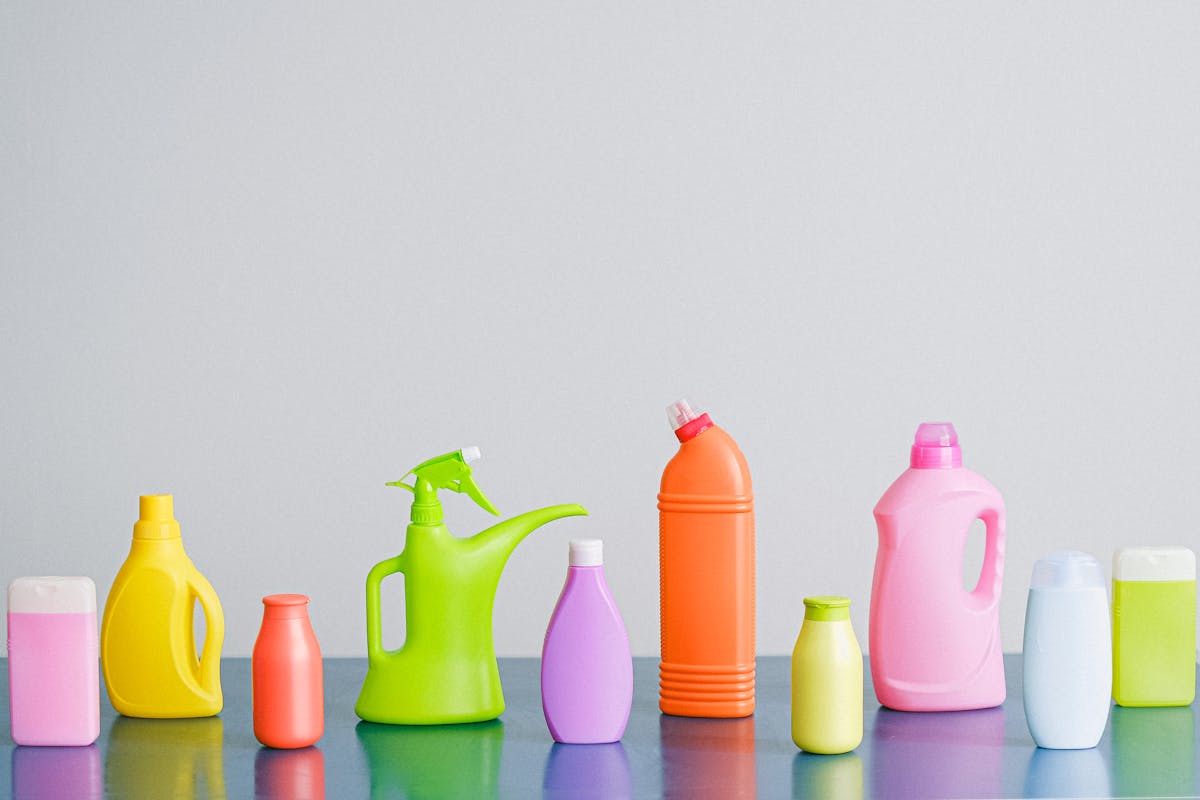
Painted walls are the most common Sharpie surface in homes with young children — and the most anxiety-inducing. The good news: semi-gloss and satin painted walls (the most common choices in Bethesda and Silver Spring family homes) respond well to the method below.
Test rubbing alcohol on a hidden area first
Before treating any visible surface, dab a small amount of 70% isopropyl alcohol onto an inconspicuous patch of wall — behind furniture or inside a closet. Wait 30 seconds and blot. If the paint color transfers to the cloth or the finish dulls, switch to a melamine eraser (magic eraser) instead, which removes marker mechanically rather than chemically. Semi-gloss and gloss paints generally tolerate alcohol well; flat latex can soften.
Apply rubbing alcohol and blot — don't scrub
Saturate a cotton ball or folded paper towel with 70% isopropyl alcohol. Press it firmly against the Sharpie mark and hold for 10–15 seconds to let the alcohol dissolve the permanent ink binder. Then blot in a single lifting motion — do not rub in circles. Rubbing spreads dissolved ink across a larger area and works it deeper into the paint pores. Repeat with a fresh cotton ball until the mark is gone or significantly faded.
Clean the treated area with mild dish soap and water
Once the marker is removed, wipe the treated spot with a damp microfiber cloth and a drop of mild dish soap. This removes alcohol residue and any remaining dissolved ink before it re-dries. Rinse with a clean damp cloth and let air-dry. In Rockville or Bethesda homes with flat or matte paint, follow with a light touch-up of matching paint — alcohol can leave a faint sheen difference on matte finishes.
Dry-erase marker trick: Color directly over the Sharpie mark with a dry-erase marker, then immediately wipe with a dry cloth. The solvent in dry-erase ink dissolves the permanent marker's binder — both come off together. Works especially well on glass, whiteboards, and glossy painted surfaces.
Capital Clean Care
Marker damage beyond a single spot? We handle the deep clean.
Capital Clean Care serves Rockville, Bethesda, Silver Spring, and Gaithersburg. Eco-certified teams, kid-safe products, background-checked.
Removing Sharpie From Wood Furniture — 3 Steps
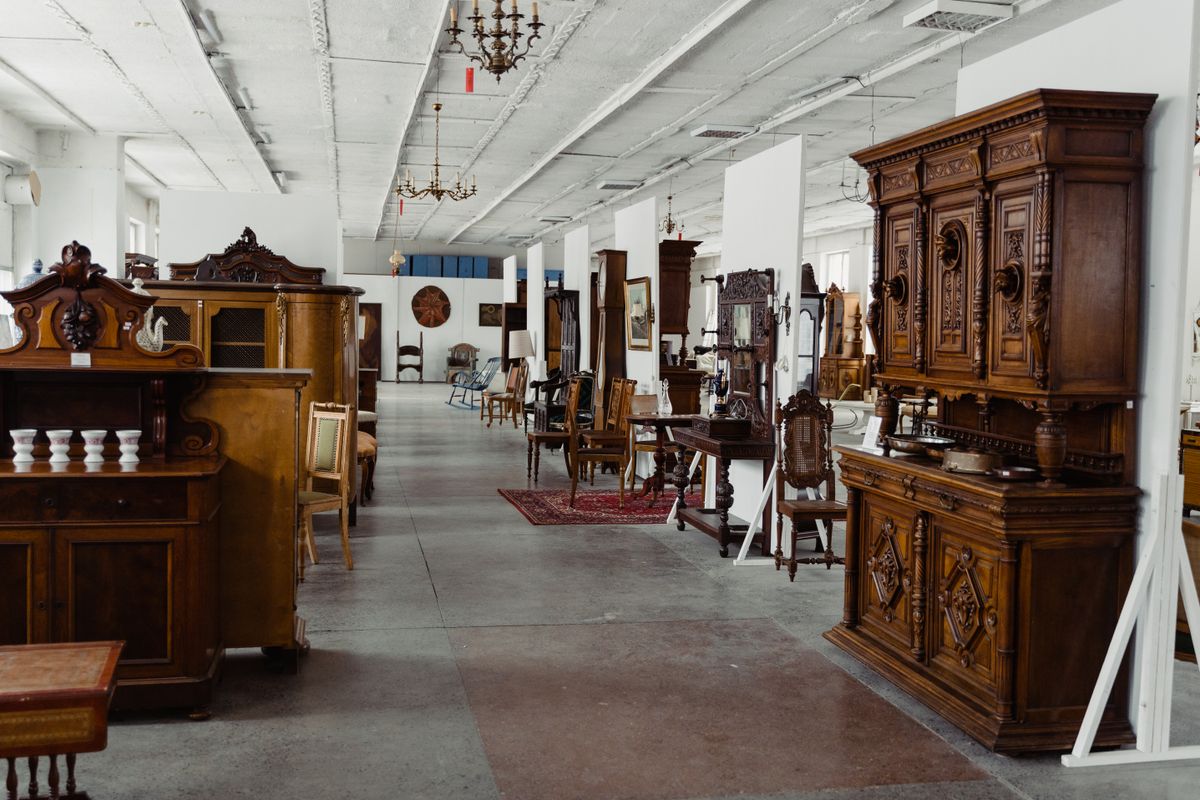
The key variable on wood is the finish. Sealed wood (polyurethane, lacquer, varnish) traps the ink on top of the finish layer, so a solvent can remove it. Unsealed or oil-finished wood has absorbed the ink into the grain — no solvent will fully extract it. Before you start, determine which you have: sealed wood feels smooth and plasticky; unsealed wood feels more like raw material and absorbs water drops instead of beading them.
Apply rubbing alcohol to a cloth — not directly to the wood
Never pour or spray rubbing alcohol directly onto wood. Pooled alcohol can penetrate the finish seal if it sits long enough. Instead, dampen a folded paper towel or cloth with 70% isopropyl alcohol and press it against the mark. The key is controlled, targeted application. For a small mark, a cotton swab gives the most precision.
Blot and lift immediately — work in 10-second intervals
Press the alcohol-dampened cloth onto the mark for 10 seconds, then lift and inspect. If ink is transferring, repeat with a fresh section of cloth. Do not let alcohol sit on the wood surface between applications. Work quickly — wood finishes tolerate brief alcohol contact but can soften with prolonged exposure, especially lacquer finishes.
Wipe dry and condition the surface
Once the mark is removed, immediately wipe the area dry with a clean cloth. Then apply a small amount of furniture polish or wood conditioner (like Murphy Oil Soap diluted per label, or a dedicated furniture wax) to the treated area. This restores any moisture lost to the alcohol and prevents the treated spot from looking dull compared to the surrounding finish.
Finish warning: Acetone (nail polish remover) removes Sharpie very effectively — but also strips most wood finishes completely. Never use acetone on sealed wood furniture. Stick to rubbing alcohol, which is strong enough to dissolve the ink without attacking polyurethane or lacquer at brief contact.
Removing Sharpie From Fabric & Carpet — 4 Steps
Fabric and carpet require more patience than hard surfaces, but they're very recoverable if treated promptly. The fundamental rule: blot, never scrub. Scrubbing spreads the dissolved ink laterally into surrounding fibers and can push it deeper into the weave or backing.
Place an absorbent cloth under the fabric (if applicable)
For clothing, tablecloths, or loose fabric items, place a clean white cloth or several layers of paper towels directly under the stained area before applying any solvent. This gives the dissolved ink somewhere to travel as it lifts — toward the backing cloth rather than spreading to adjacent fabric. For carpet, skip this step and proceed directly to treatment.
Apply rubbing alcohol and blot from the outside in
Dampen a clean white cloth with 70% isopropyl alcohol. Start at the outer edge of the Sharpie mark and blot inward toward the center — working outward spreads the stain. Use a firm pressing and lifting motion. Change to a clean section of cloth every few blots as it picks up ink. For carpet, use a small amount of alcohol so you don't saturate the backing and subfloor beneath.
Treat residual color with dish soap and cold water
Once most of the marker has lifted, apply one drop of clear dish soap to the area and work it in gently with a damp cloth using the same blotting technique. Rinse with cold water (not hot — heat sets stains into fabric permanently). Blot dry. For cotton garments, this two-step alcohol-then-soap approach removes the majority of Sharpie marks even on light colors.
For carpet: apply baking soda after treatment
After the stain has been treated and the area is slightly damp, sprinkle a light layer of baking soda over the spot. Let it sit for 15–20 minutes — it absorbs any remaining dissolved ink as it dries and pulls it to the surface. Vacuum thoroughly. For stubborn carpet stains with deep penetration, a{' '}<Link to='/services/recurring-cleaning' className='text-accent underline hover:no-underline'>recurring professional cleaning</Link>{' '}with steam extraction will reach the backing level that home methods can't.
Removing Sharpie From Skin — Kid-Safe, 3 Steps
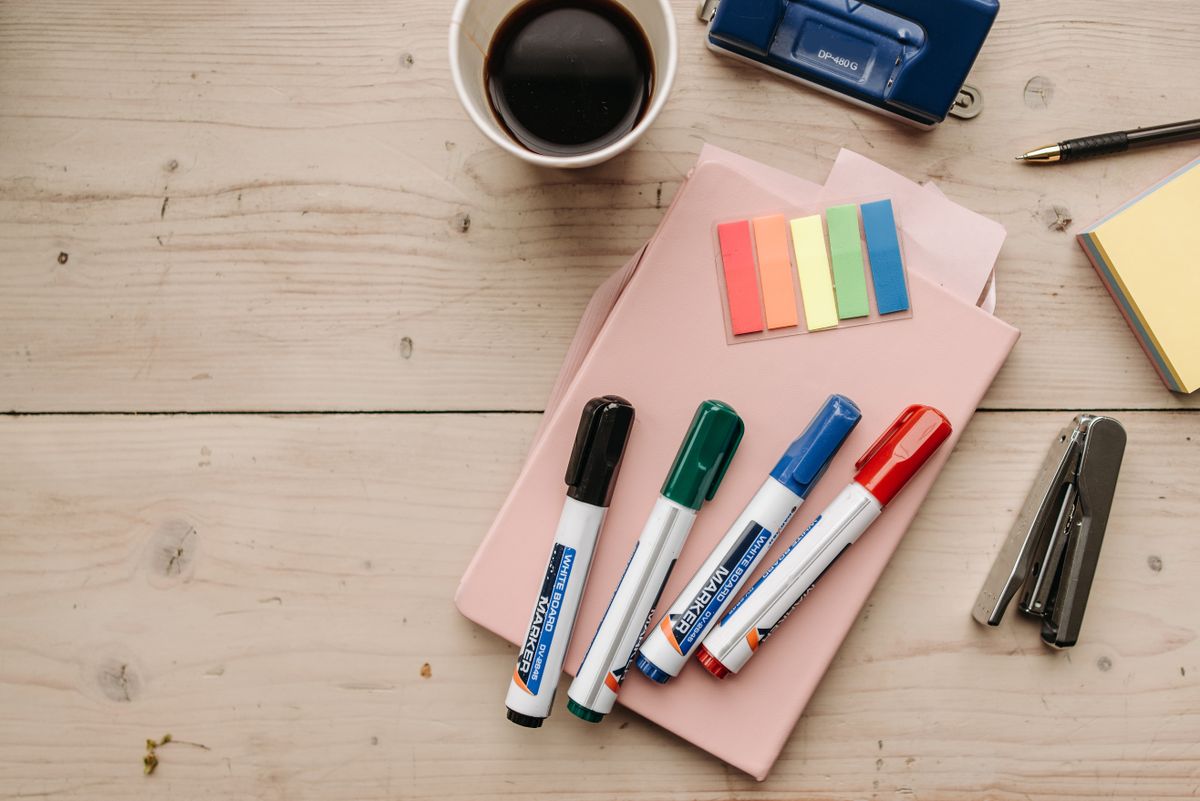
Skin is actually one of the easiest surfaces to remove Sharpie from — but the method matters when it's a child's skin. Rubbing alcohol works, but it's harsh on sensitive skin and can cause dryness or irritation. The oil-based approach below is gentler, equally effective, and completely safe for kids.
Apply baby oil, coconut oil, or olive oil to the mark
Pour a small amount of baby oil, coconut oil, or even standard cooking olive oil onto the marked skin. Rub gently in circular motions for 30–60 seconds. The oil penetrates between the ink layer and the skin's surface and begins breaking the bond. This is the same principle that makes oil-based makeup removers effective — oil dissolves the resin binder in permanent ink.
Wipe with a clean cloth or paper towel
After working the oil in, wipe with a dry cloth using light friction. Most of the Sharpie will come off on the first pass. For darker or older marks, repeat the oil application and wait another 30 seconds before wiping again. Don't scrub hard — the goal is to let the oil do the chemical work, not mechanical abrasion.
Wash with soap and warm water
Wash the area with regular hand soap and warm water to remove the oil residue and any remaining ink. Any mild soap works — dish soap is slightly more effective at cutting oil than hand soap if you prefer a cleaner finish. For toddlers or babies, use their regular gentle bath wash. The skin will be completely clean and significantly less irritated than if you had used rubbing alcohol directly.
The Right Tool for Each Surface
The eco-safe approach to stain removal across Maryland homes relies on matching the right solvent to the right surface — not the strongest chemical available. These four images capture the key scenarios covered in this guide.
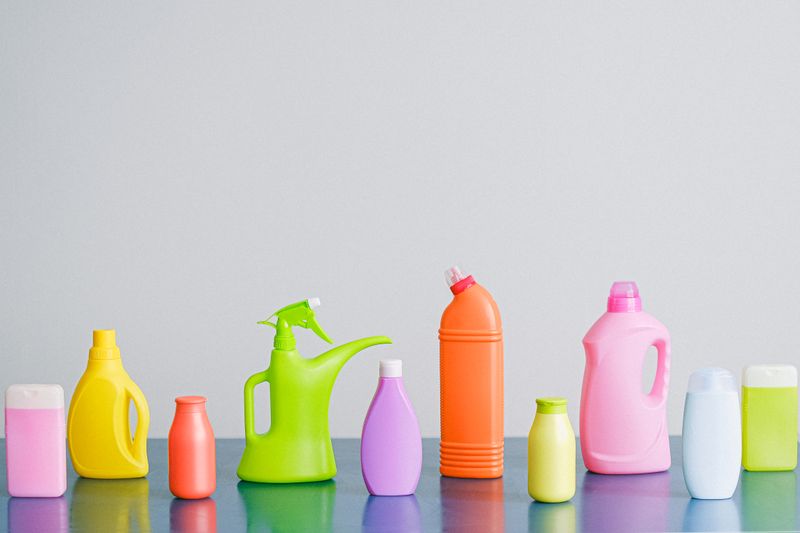
A damp melamine eraser lifts dried marker from painted drywall without abrading the finish.
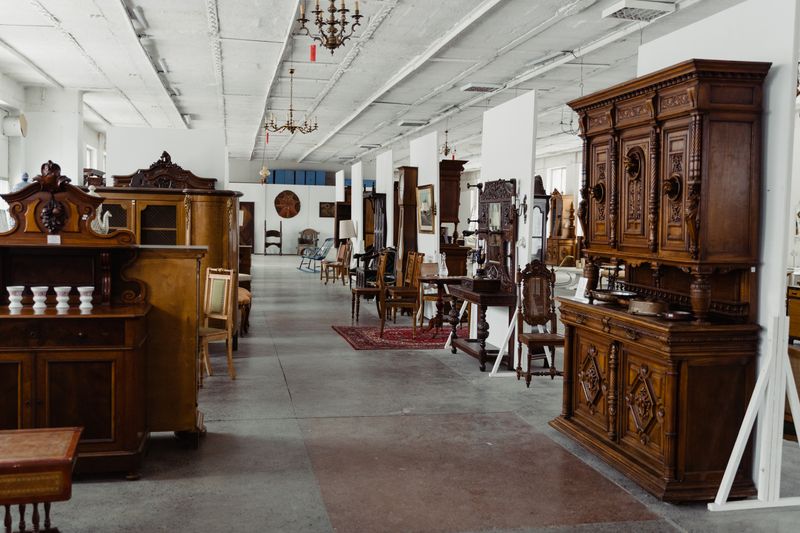
Sealed wood responds well to rubbing alcohol — always test in a hidden spot and wipe quickly.
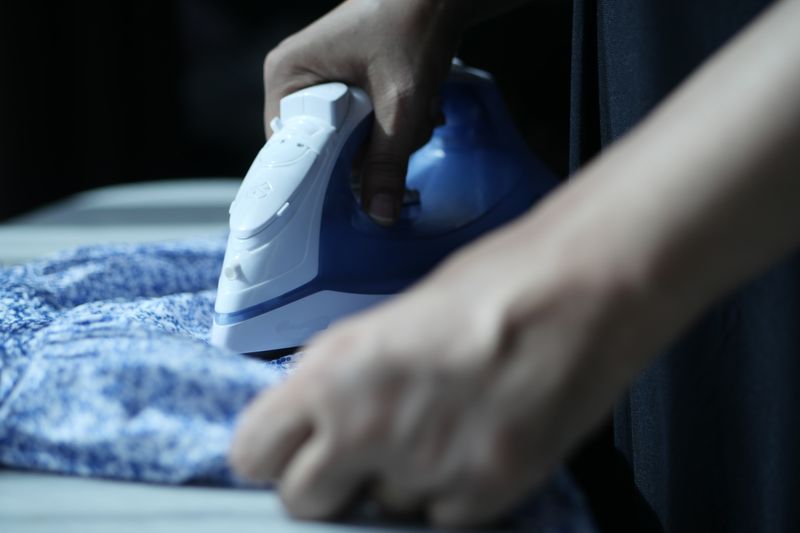
Blot fabric stains — never scrub. Scrubbing spreads the dye deeper into the fiber weave.
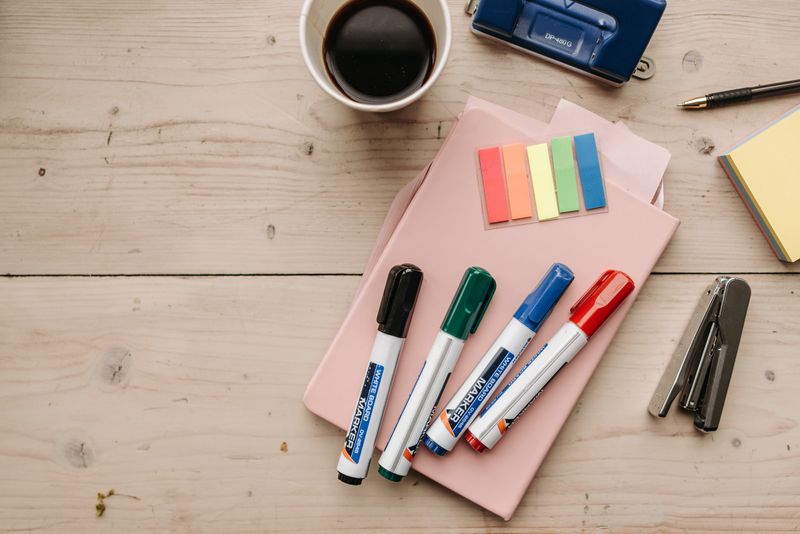
Baby oil or coconut oil loosens Sharpie from skin safely — no solvents needed.
When the Damage Is Done — Call a Professional
DIY methods work well for single marks on manageable surfaces. But some situations are beyond what a cotton ball and rubbing alcohol can address:
- Large murals across multiple walls or rooms
- Sharpie on unpainted drywall — ink has penetrated the paper facing and must be primed over
- Raw or oil-finished hardwood floors where ink has absorbed into the grain
- Light-colored carpet or upholstery with set-in stains that have been scrubbed (spreading the mark)
- Multiple surfaces involved — walls, carpet, and furniture treated simultaneously
In these cases, a professional cleaning assessment can determine what's removable and what requires surface repair or repainting. Capital Clean Care's eco-friendly cleaning service covers the Montgomery County area including Rockville, Bethesda, Silver Spring, and Gaithersburg. We use kid-safe, pet-safe protocols on every job. More cleaning tips in our eco-friendly cleaning tips for Maryland homes.
Frequently Asked Questions
Bigger Than a Marker? Let Us Handle It.
Capital Clean Care provides eco-friendly cleaning and recurring cleaning for families across Maryland — Rockville, Bethesda, Silver Spring, Gaithersburg, and Potomac. Kid-safe products, background-checked teams, no harsh chemicals.
Licensed, insured, and locally owned. Montgomery County, MD.