
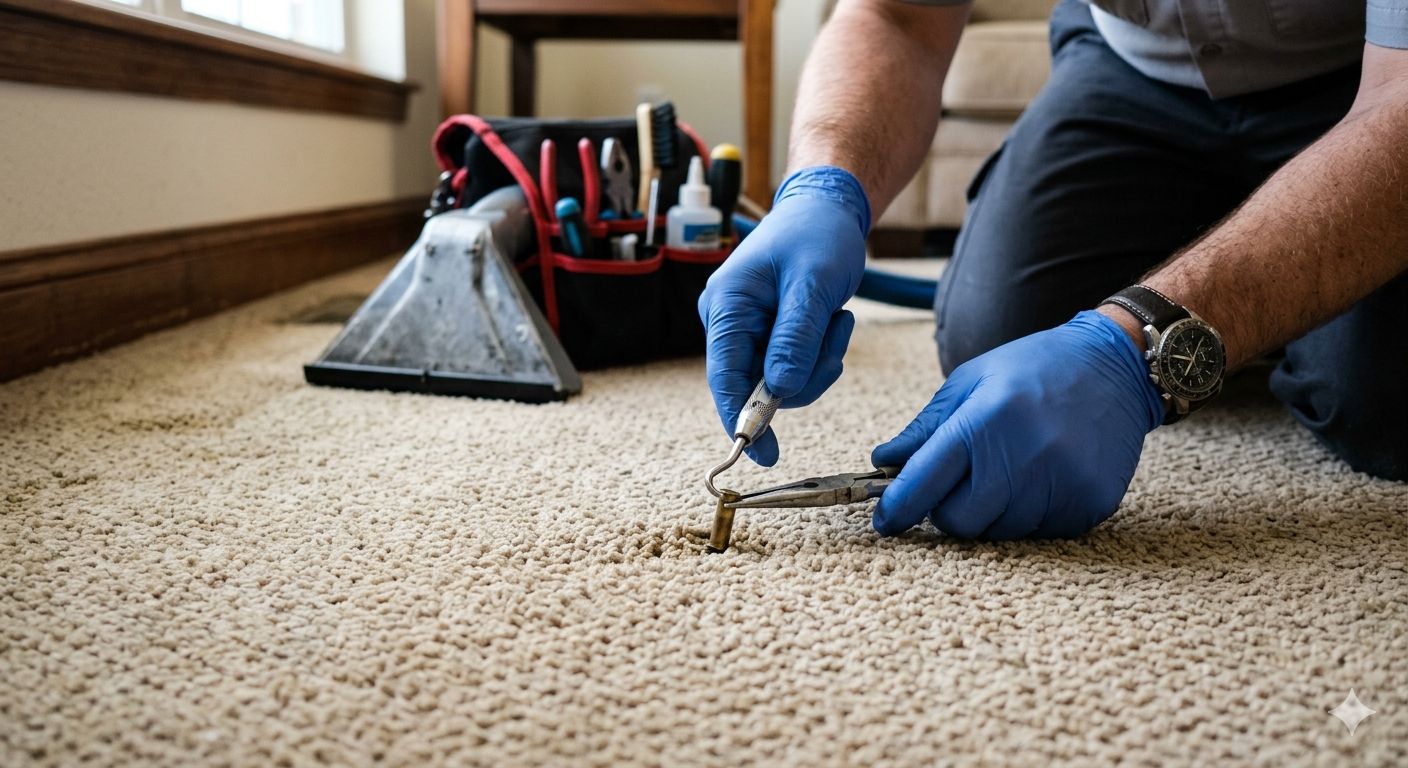
It happens to everyone. A candle tips over during dinner in your Bethesda dining room, or a decorative candle drips onto the carpet in your Rockville living room. Now there's a white (or worse, red) wax stain staring back at you.
The good news: candle wax is one of the more forgiving messes to clean up — if you approach it correctly. The bad news: most people make it worse by reaching for the wrong tools first. This guide covers every surface — carpet, painted walls, glass, and hardwood — using only eco-safe methods that are kind to your home, your family, and the Maryland watershed.
The golden rule of wax removal: Cold first on porous surfaces (carpet, fabric, wood), heat second on non-porous ones (glass, metal, ceramic). Never reverse this — heat on carpet spreads the stain; cold on glass makes it more stubborn.
Wax on Every Surface: Before You Start
Each surface type requires a slightly different approach. The gallery below matches the four sections of this guide — click any image to expand it.
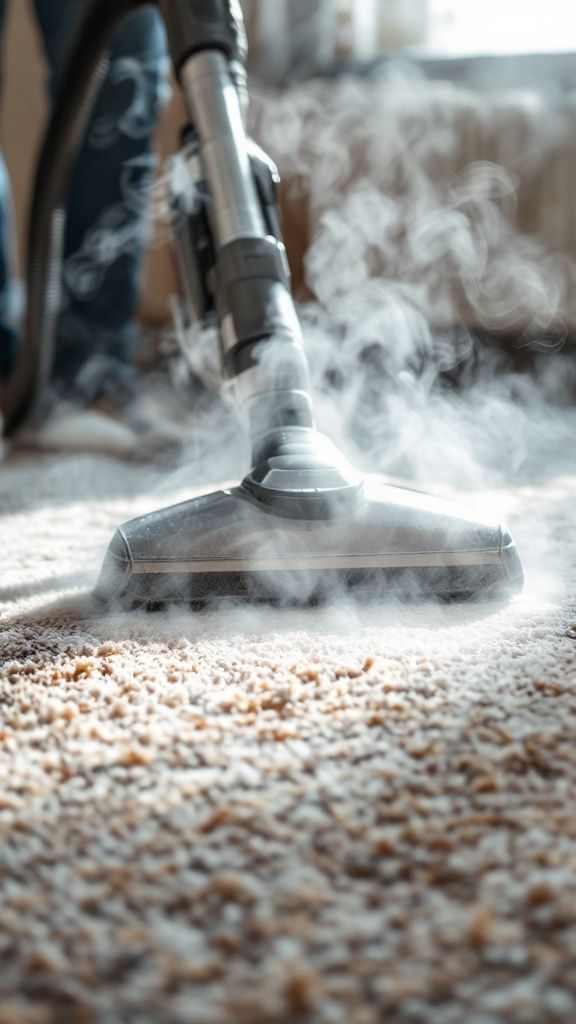
Carpet: freeze first, scrape second — always.
Walls: heat loosens wax without scratching the paint.
Glass: hot water soak dissolves wax in minutes.
Wood: go cold, never hot — heat can lift the finish.
How to Remove Candle Wax from Carpet
Carpet is the most common victim. The fibers trap wax fast, and dyed wax can leave a color stain even after the wax itself is gone. Follow these four steps in order.
Harden the wax completely
Place a zip-lock bag filled with ice cubes directly over the wax spot for 5–10 minutes. The wax must be fully solid before you touch it — trying to remove soft wax spreads it deeper into the fibers.
Break and lift the hardened wax
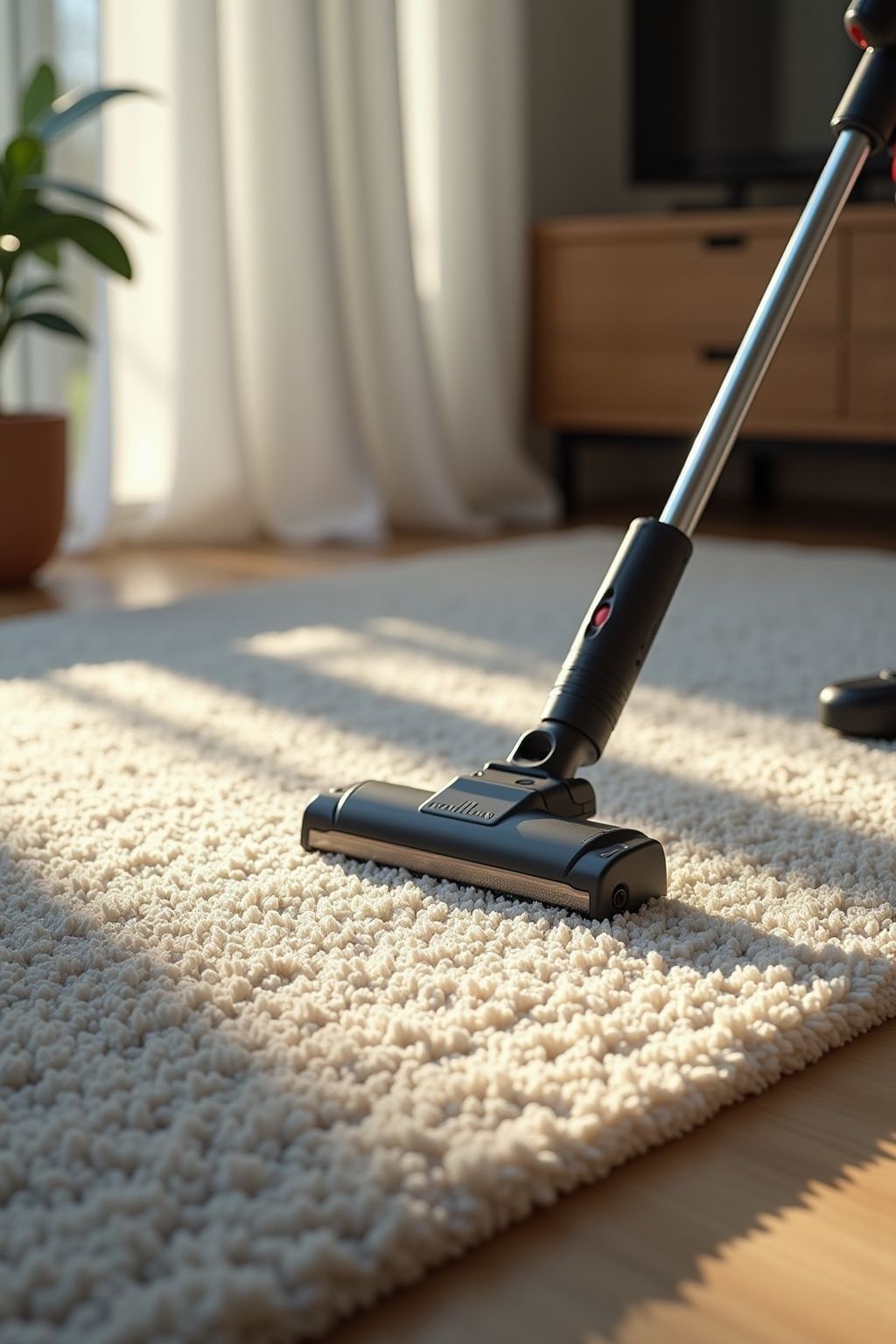
Use a butter knife or the edge of a credit card to gently chip away the frozen wax. Work from the outer edges inward to avoid pushing the wax further into the pile. Vacuum up the loose pieces.
Draw out the residue with heat
Place a clean white paper towel or a sheet of brown paper bag over the remaining stain. Set a clothes iron to low heat (no steam) and press gently for 5–10 seconds. The wax will transfer from the carpet into the paper. Move to a fresh section of paper and repeat.
Treat the color stain with dish soap
If dyed wax left a color mark, mix a few drops of plant-based dish soap in a cup of cold water. Apply to the stain, blot with a clean white cloth — never rub. Rinse with cold water and blot dry. For stubborn stains, a drop of rubbing alcohol on a cloth can lift the dye.
Never use petroleum-based solvents (like WD-40 or acetone nail polish remover) on carpet. They'll remove the wax but leave an oil stain and toxic residue — especially dangerous for homes with children or pets.
Capital Clean Care
Wax stain beyond DIY? We handle it.
Capital Clean Care offers deep cleaning and stain treatment for homes across Montgomery County. Eco-certified products, background-checked teams.
How to Remove Candle Wax from Painted Walls
Wax on walls usually comes from taper candles placed too close to a surface, or from decorative wall sconces. The risk here is scratching or lifting the paint — so use gentler tools than you'd use on carpet.
Let it harden, then peel
Don't touch fresh wax on a wall — it will smear. Let it dry completely, then gently peel the bulk of it away with your fingernail or a plastic scraper held at a very low angle. Apply slight upward pressure; you're peeling, not scraping.
Soften the residue with a hair dryer
Hold a hair dryer on low heat about 6 inches from the remaining wax film for 5–10 seconds. As the wax softens, wipe it away with a clean microfiber cloth using circular motions. Work in small sections to prevent the wax from dripping.
Clean the surface with diluted white vinegar
Mix equal parts white vinegar and warm water. Dampen a soft cloth and gently wipe the area to remove any waxy residue. For flat (matte) paint, be extra gentle — too much moisture can dull the finish. Dry with a clean cloth immediately.
For textured walls (like orange peel or knock-down finish), skip the hair dryer step. Instead, let the wax harden fully, then use a stiff-bristle brush (like a toothbrush) to gently dislodge the wax from the texture grooves before wiping with a damp cloth.
How to Remove Candle Wax from Glass
Glass candle holders, votives, and jar candles accumulate wax buildup over time. Glass is forgiving — it tolerates heat well and the wax rarely stains.
Boiling water pour method
For glass vessels: place the glass in a heat-safe bowl or the sink. Pour just-boiled water over the inside and outside of the glass. The wax will melt and float to the surface within a few minutes. Once cooled, peel the solidified wax layer off the top of the water.
Freezer method for stubborn residue
For any remaining film: place the glass in the freezer for 15–20 minutes. The cooled wax will contract and pop away from the glass surface. Use a butter knife to pry it loose, then wash with warm soapy water.
Polish with white vinegar
To restore the crystal-clear look, wipe the interior with a cloth dampened in white vinegar. This removes any remaining haze and adds a streak-free shine — the same technique professional cleaners use.
Pro tip: Pour a thin layer of water into a glass candle holder before lighting the candle. Wax drips will land in the water, not stick to the glass — making cleanup effortless.
How to Remove Candle Wax from Wood and Hardwood Floors
Hardwood is the surface where people most often make things worse. The danger isn't the wax — it's heat damaging the finish, or abrasive scraping leaving scratches. Go slow.
Freeze and chip — no shortcuts
Apply an ice pack wrapped in a thin cloth to the wax for 5 minutes. Once hardened, use a plastic scraper (an old credit card works perfectly) at a very low angle to push the wax toward the center. It should pop off cleanly. Never use a metal scraper on wood — scratches are permanent.
Remove the residue with mineral spirits
Dampen a soft cloth with a small amount of mineral spirits (white spirits) or naphtha. Gently rub the wax residue in the direction of the wood grain. These solvents dissolve wax without lifting the wood finish. Wipe clean with a dry cloth immediately after.
Restore the finish
Apply a thin coat of wood polish or floor wax appropriate for your floor type (hardwood, engineered, bamboo). This restores the protective layer and blends the cleaned area with the surrounding surface so no dull spot remains.
Never use a clothes iron on hardwood floors. The heat from an iron — even set to low — can soften and warp the wood finish in seconds. Cold methods only on hardwood.
Eco-Friendly Cleaning Products That Actually Work
You don't need to buy specialty products. These five items handle virtually every wax removal scenario — and all of them are safe for kids, pets, and the eco-conscious approach we bring to every home we clean.
White vinegar
Dissolves wax residue and leaves a streak-free finish on glass and walls. Safe on all surfaces except natural stone.
Plant-based dish soap
Lifts dye stains from carpet and fabric after the wax is removed. Avoid synthetic detergents — they can leave a sticky residue.
Baking soda
Excellent odor absorber if scented wax left a lingering fragrance in carpet. Apply dry, let sit 20 min, vacuum up.
Rubbing alcohol (70%)
Lifts dye from carpet and upholstery when soap doesn't fully work. Use sparingly on a white cloth. Always test first.
Mineral spirits
The best option for hardwood floors. Dissolves wax without damaging wood finish. Eco note: use ventilation and dispose properly — don't pour down drains.
Why This Matters for Maryland Homeowners
In the Montgomery County area — Rockville, Bethesda, Potomac, Silver Spring, Gaithersburg — most homes drain into the Chesapeake Bay watershed. That means the cleaning products that go down your drain, or get rinsed off your surfaces, eventually affect the Bay.
Petroleum-based solvents, synthetic detergents, and chemical degreasers are common in conventional cleaning products. Choosing white vinegar, plant-based soap, and baking soda isn't just good for your family — it's good for the watershed. At Capital Clean Care, our eco-friendly cleaning service uses only products certified safe for sensitive environments.
Frequently Asked Questions
When DIY Isn't Enough — We're Here
Some stains go beyond what DIY methods can fix — old wax, large spills, or combined damage. Capital Clean Care provides deep cleaning for homes across Maryland — Rockville, Bethesda, Silver Spring, Gaithersburg, Potomac, and beyond.
Licensed, insured, and locally owned. Montgomery County, MD.