

You walk into your Silver Spring basement after a week of May rain and it hits you — that damp, earthy, unmistakably musty smell. Or maybe it's the bathroom after a humid weekend, or the gym bag that sat in the car too long. Whatever the source, the culprit is almost always the same: mildew, and the humid Mid-Atlantic air that feeds it.
The good news is that mildew smell is one of the most treatable household problems — and you can eliminate it without bleach, without toxic sprays, and without a contractor. This guide covers every surface and every room, with methods proven safe for kids, pets, and the Maryland watershed.
Why Mildew Loves Maryland Summers
Maryland's geography puts it at the intersection of humid subtropical and continental climates — meaning summer humidity is extreme and sustained. From June through September, dew points in the Montgomery County area routinely hit 70°F or higher. When outdoor air at that dew point enters a cooler basement or bathroom, it instantly deposits moisture on every surface it touches.
Humidity above 70% RH
Mildew germinates on any porous surface within 24–48 hours
Basements in Gaithersburg & Silver Spring
Below-grade concrete walls absorb ground moisture year-round, not just after rain
Older housing stock
Pre-1990 homes common in Bethesda and Chevy Chase lack modern vapor barriers and ventilation
Target: keep indoor relative humidity below 50% year-round. Above 60%, mildew growth is almost inevitable in a Maryland home without mechanical dehumidification. A $30 hygrometer from any hardware store tells you exactly where you stand.
Find the Source Before You Clean
Cleaning mildew smell without fixing its source is like mopping around a running faucet. Before you reach for the vinegar, spend 10 minutes on a quick inspection.
Check under sinks and around toilets
Water supply line connections and wax ring seals are common slow-leak points that feed sustained mildew growth.
Inspect basement walls for efflorescence
White mineral deposits on concrete signal active moisture intrusion from outside — a grading or gutter problem, not a cleaning problem.
Look behind furniture against exterior walls
Cold exterior walls sweat in summer humidity. Furniture pushed flush against them traps moisture and grows hidden mildew colonies.
Check HVAC drain pans and ductwork
A full condensate drain pan can back up and spray mildew spores throughout the house every time the AC runs. Clear the drain line with a vinegar flush annually.
Bathroom Mildew Smell — 4 Steps
Bathrooms are the most common mildew source in Maryland homes. The combination of daily steam, poor ventilation, and porous grout creates ideal conditions. These four steps fix both the smell and its cause.
Spray white vinegar on the affected surface
Fill a spray bottle with undiluted white vinegar. Spray liberally on all mildewed surfaces — tile, grout, caulk, and the ceiling above the shower. Do not dilute: full-strength vinegar is necessary to penetrate biofilm and kill the mildew at the root.
Let it sit for 10 minutes
Do not wipe immediately. The vinegar needs contact time to break down the mildew cell structure. For heavy buildup on grout, apply a baking soda paste (baking soda + a few drops of water) over the wet vinegar and let it fizz for 5 minutes before scrubbing.
Scrub grout and caulk with a toothbrush
Use an old toothbrush or a stiff grout brush to work into every grout line and around the caulk bead. These are the two places mildew embeds deepest. Scrub in short back-and-forth strokes, rinsing the brush often.
Run the exhaust fan and keep it running
After cleaning, run the bathroom exhaust fan for at least 30 minutes. Going forward, run it during every shower and for 20 minutes after. This single habit eliminates most of the moisture that feeds mildew regrowth. If your fan is weak or absent, a dehumidifier set to 50% RH is essential.
Capital Clean Care
Mildew beyond DIY reach? We handle the deep clean.
Capital Clean Care's eco-certified teams serve Rockville, Bethesda, Silver Spring, and Gaithersburg. Vinegar-based protocols — no bleach, no chemical residue.
Basement Mildew Smell — 4 Steps
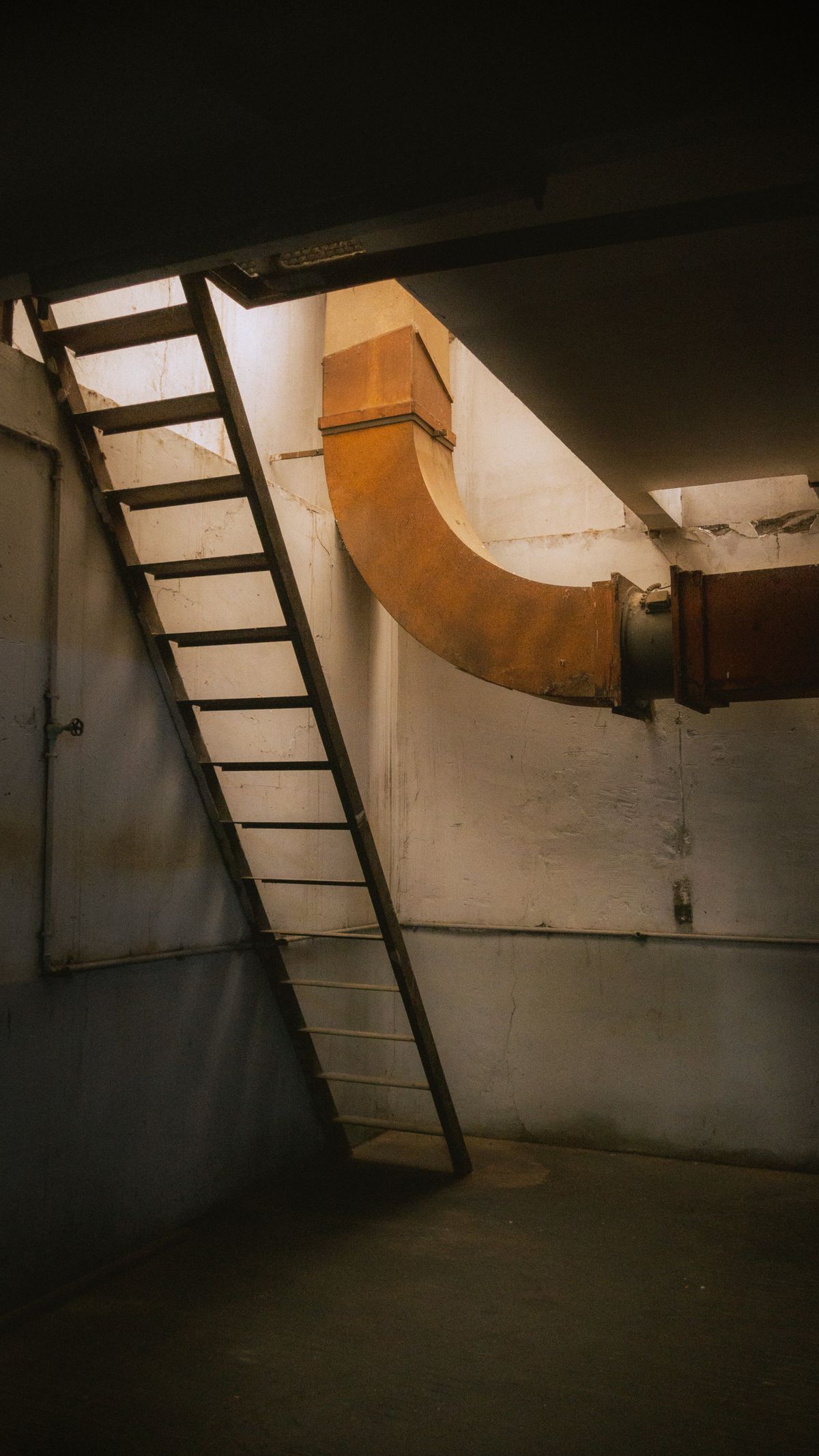
Basements in Silver Spring, Gaithersburg, and older Bethesda neighborhoods are especially vulnerable — they sit below grade, against soil that absorbs and releases moisture seasonally. The goal is to lower humidity and neutralize what's already there.
Set up activated charcoal odor absorbers
Place open bags of activated charcoal (available at hardware stores, ~$10 each) around the basement perimeter. Charcoal adsorbs VOCs and musty odor compounds from the air at the molecular level — unlike baking soda, it doesn't saturate and stop working as quickly. Replace every 2 months.
Run a dehumidifier continuously
A 70-pint dehumidifier is the single most effective tool against basement mildew in Maryland's climate. Set it to 45–50% RH and connect it to a floor drain or use the auto-pump feature so it runs without manual emptying. During peak summer humidity, it may extract several gallons of water per day from the air.
Wipe hard surfaces with vinegar solution
Mix 1 cup white vinegar with 1 cup water in a spray bottle. Wipe down concrete walls, floor joists, window sills, and any stored items that show visible mildew. For stubborn patches on concrete, apply undiluted vinegar and scrub with a stiff brush. Let air-dry completely before considering any sealing.
Improve airflow year-round
Open basement windows on dry days (below 50% outdoor RH — check your weather app). Use box fans to push air from one window to another. If the basement has no windows, a small exhaust fan ducted to the exterior makes a significant difference. Stagnant air is mildew's best friend.
Clothes & Fabric Mildew Smell — 3 Steps
Mildew in fabric is the result of moisture — a wet towel left in a gym bag, laundry left in the washer too long, or clothes stored in a damp closet. Standard washing often moves the smell around rather than eliminating it. This three-step method works.
Pre-soak in vinegar for 30 minutes
Fill a basin or bathtub with cold water and add 1–2 cups of white vinegar per gallon of water. Submerge the affected items and soak for at least 30 minutes. The vinegar penetrates the fibers and kills the mildew spores before washing. Do not use hot water for the soak — heat sets odors into fabric.
Wash on the hottest safe cycle with baking soda
Transfer directly from the soak to the washing machine. Add your usual HE detergent and ½ cup of baking soda (placed in the drum, not the drawer). Select the hottest cycle the garment care label permits. Skip fabric softener — it coats fibers and traps residual odor rather than eliminating it.
Dry in direct sunlight
UV light kills residual mildew spores more effectively than a dryer. Hang items outside in direct sun for at least 1–2 hours if possible. If you must use a dryer, run it on the highest heat setting for the full cycle. Never fold or store until completely dry — any residual moisture restarts the problem.
Furniture & Upholstery — 3 Steps
Upholstered furniture, mattresses, and cushions are particularly prone to mildew in basement family rooms and damp bedrooms. You can't throw them in the wash — but these three steps work well on fabric surfaces.
Vacuum thoroughly first
Vacuum all surfaces — including under cushions and along seams — to remove loose mildew spores before any wet treatment. Use the upholstery attachment. Empty or replace the vacuum bag/filter immediately after to prevent re-releasing spores into the room.
Apply baking soda and leave overnight
Sprinkle a generous layer of baking soda over the affected cushions, seat surfaces, and armrests. Let it sit for a minimum of 8 hours — overnight is ideal. Baking soda absorbs the odor compounds embedded in the fabric. Vacuum it all up completely the next morning.
Mist with diluted vinegar and air in sunlight
Mix 1 part white vinegar with 2 parts water in a spray bottle. Mist lightly — do not saturate. Move the furniture to a sunny spot indoors or outside for 2–4 hours. The combination of vinegar and UV light kills remaining spores. Allow to dry completely before using again.
The Eco-Friendly Toolkit
Everything in this guide relies on four ingredients available at any grocery store. This is the eco-safe approach we apply in every home we clean across Maryland.
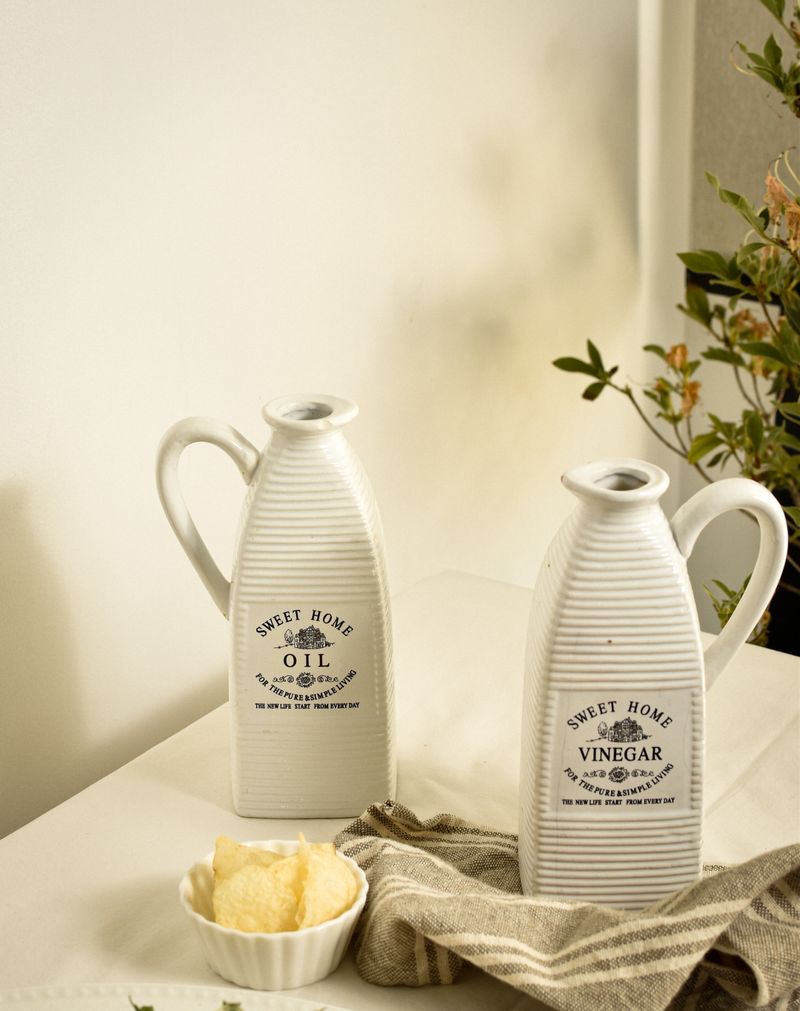
White vinegar kills 82% of mold species — no bleach needed.

Baking soda absorbs odor molecules from fabric and air.
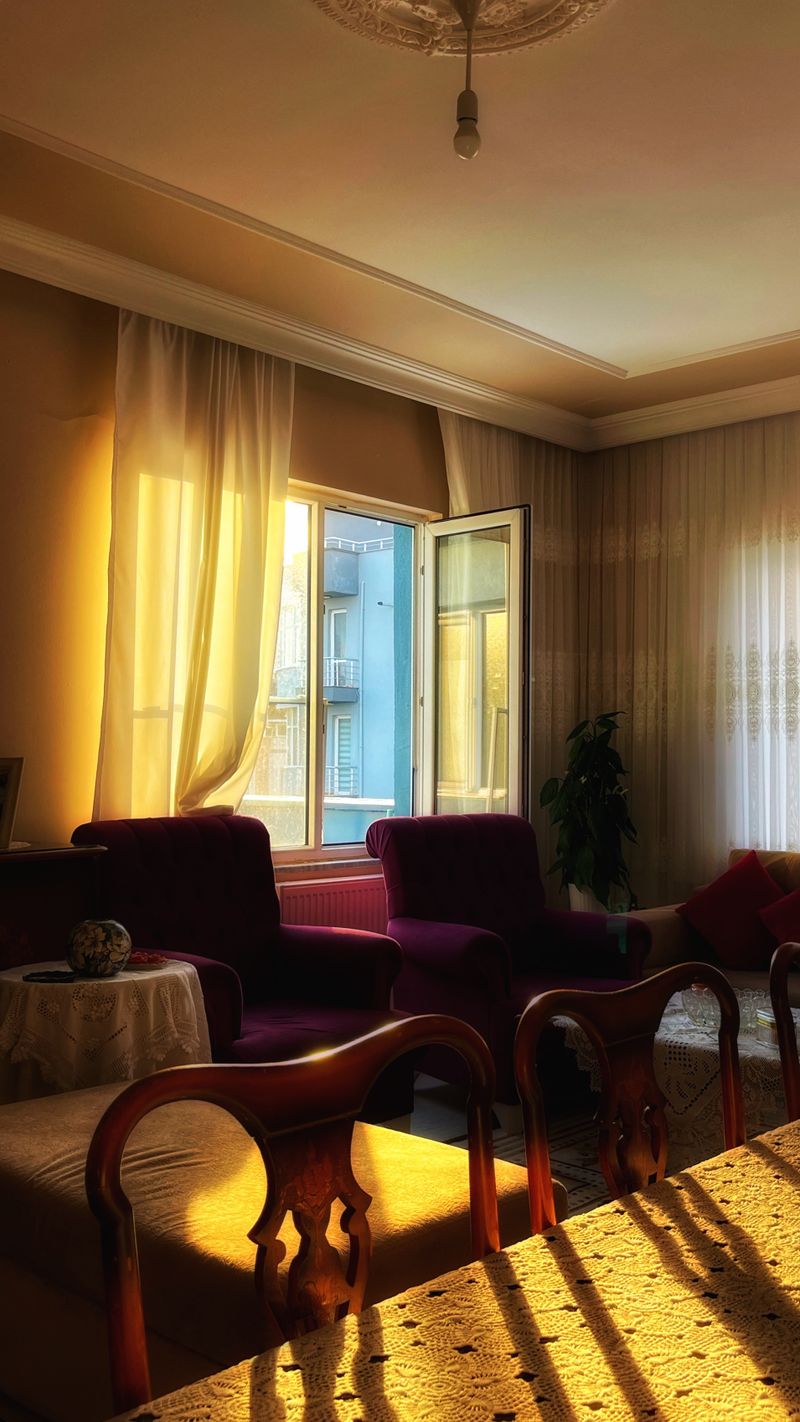
UV light from direct sun kills mildew spores in 1–3 hours.

Basement ventilation is the first line of defense in Maryland summers.
Prevent It Coming Back
Cleaning removes existing mildew. Prevention stops the next cycle from starting. These habits address the Maryland climate directly.
Keep indoor humidity below 50% year-round
Run the AC in summer not just for temperature but for dehumidification. Central AC systems extract significant moisture — but only if they're properly sized and maintained.
Weekly bathroom wipe-down
A 2-minute vinegar spray and wipe of tile walls and grout after the last shower of the week prevents spore accumulation between deep cleans.
Service your AC drain line annually
Before each Maryland summer, flush the condensate drain with 1 cup of white vinegar to prevent blockage and mold growth in the pan. This also improves AC efficiency.
Move furniture away from exterior walls
Leave at least 2 inches of space between furniture and exterior walls to allow airflow and prevent moisture accumulation behind pieces.
Never store damp items
Gym bags, beach towels, wet umbrellas — always dry completely before storing. A damp item in an enclosed space is a mildew colony waiting to start.
When It's Actually Mold (Not Just Mildew) — Stop and Call a Pro
Know the difference before you clean
Mildew is surface-level — gray or white, powdery, grows on top of materials. It's the smell in your bathroom. Mold is different: black, green, or fuzzy; grows into drywall, insulation, and wood framing; and can cause serious respiratory illness. If you see fuzzy black or green growth, especially after a flood, leak, or prolonged dampness, do not attempt DIY cleaning with household products.
Signs you need a mold remediation professional rather than a cleaning service:
- Visible mold growth larger than 10 square feet (roughly a 3×3 patch)
- Mold visible on drywall, insulation, or structural wood
- Smell that persists after multiple cleaning attempts with vinegar
- Household members experiencing unexplained respiratory symptoms, headaches, or fatigue
- Mold discovered after a flood or roof leak
For surface-level mildew and the musty smell that comes with Maryland summers, a professional deep clean combined with the maintenance habits above handles it completely. More eco-cleaning methods in our eco-friendly cleaning tips guide for Maryland homes.
Frequently Asked Questions
Done Fighting Mildew? Let Us Keep It That Way.
Capital Clean Care provides eco-friendly cleaning for homes across Maryland — Rockville, Bethesda, Silver Spring, Gaithersburg, and Potomac. No bleach, no chemical residue, background-checked teams.
Licensed, insured, and locally owned. Montgomery County, MD.